

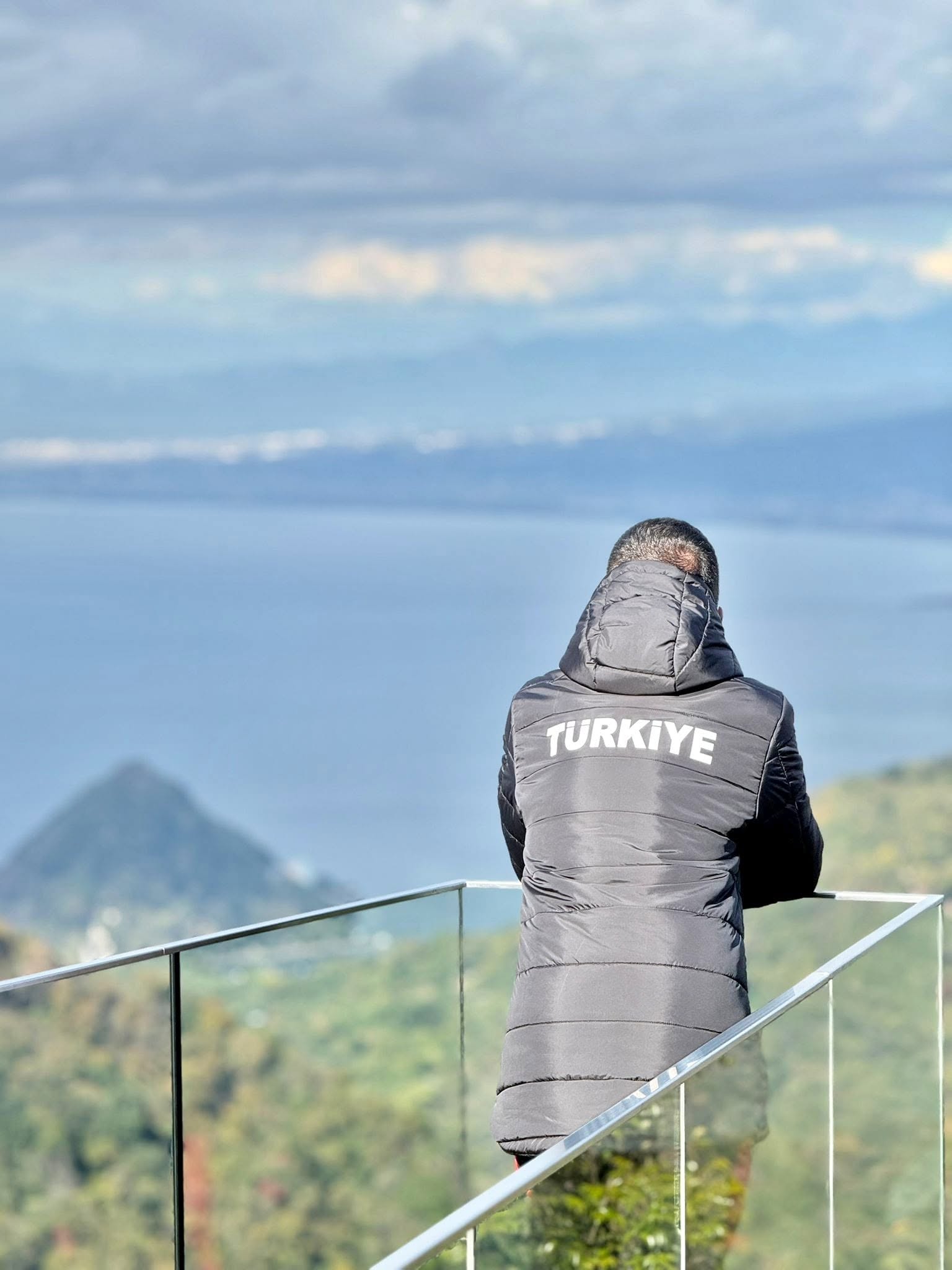
In November 2025, I set out on one of the longest and most memorable journeys of my life for the Tokyo Deaflympics. Along the way, I experienced the excitement of flying for the first time, the fatigue of many hours in transit and the profound culture shock Japan created in me.
A journey that began in Alanya
On the final day of our camp in Alanya, we trained in the morning and spent an hour riding the rollers at the hotel. Meals, showers and packing our bags and bicycles made for an exhausting preparation. In the afternoon, Turkish Airlines coaches took us to Gazipaşa Airport.
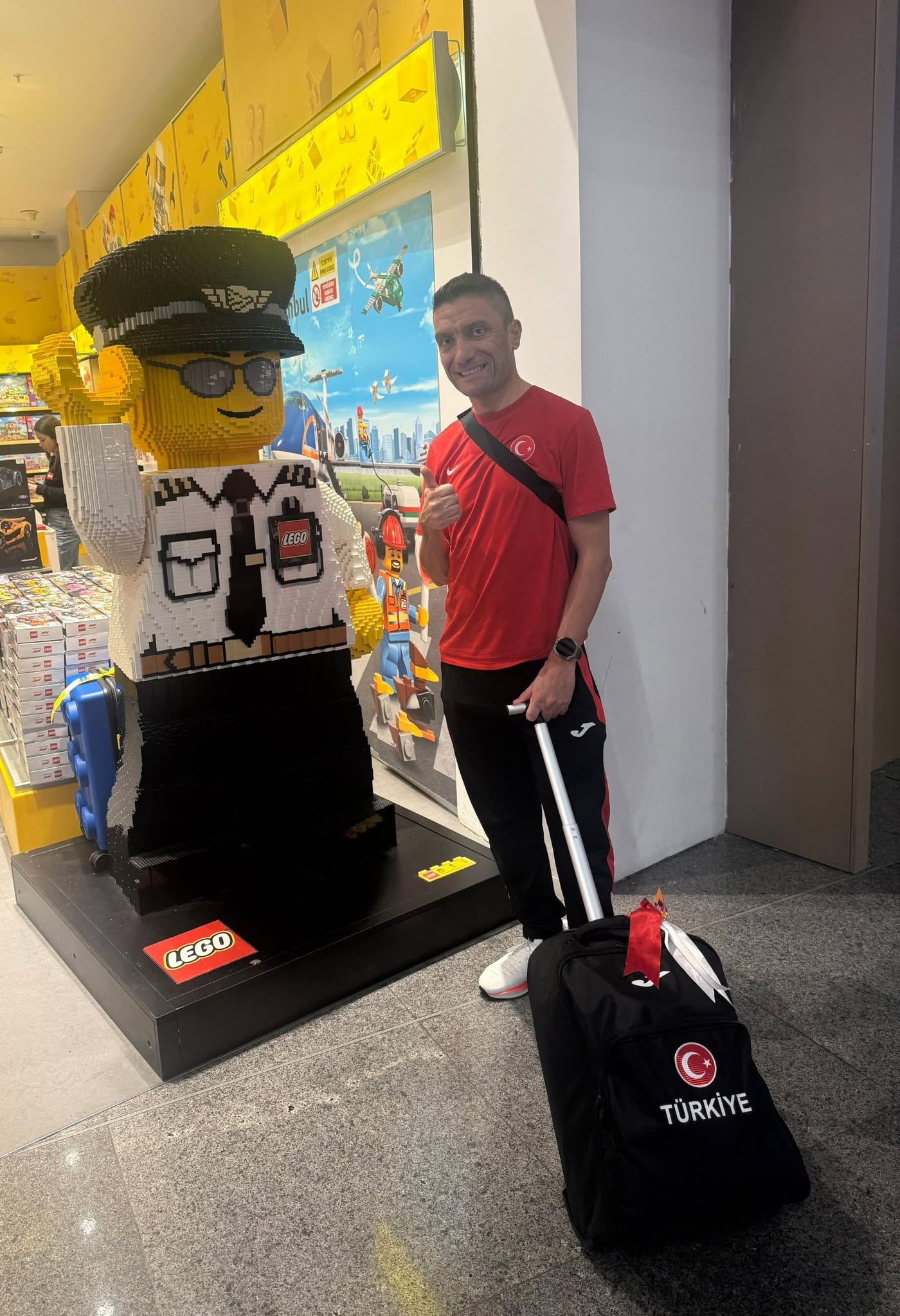
After waiting there for several hours, we flew to Istanbul. It was the first flight of my life. Contrary to what I had expected, I was not afraid at all; I felt calm and enjoyed it.
The long flight and our first step into Japan
The sheer scale of Istanbul Airport was impressive in itself. We boarded the Tokyo flight at night and flew for almost ten hours without a stop. Once people closed the window shades to rest, there was little opportunity to look outside.
By the time we arrived in Japan, waited for the shuttle and reached the hotel, the journey had left us exhausted. Adjusting to the time difference took a while. Food was difficult during the first few days, but we soon found a routine.
Simplicity, cleanliness and a system that works
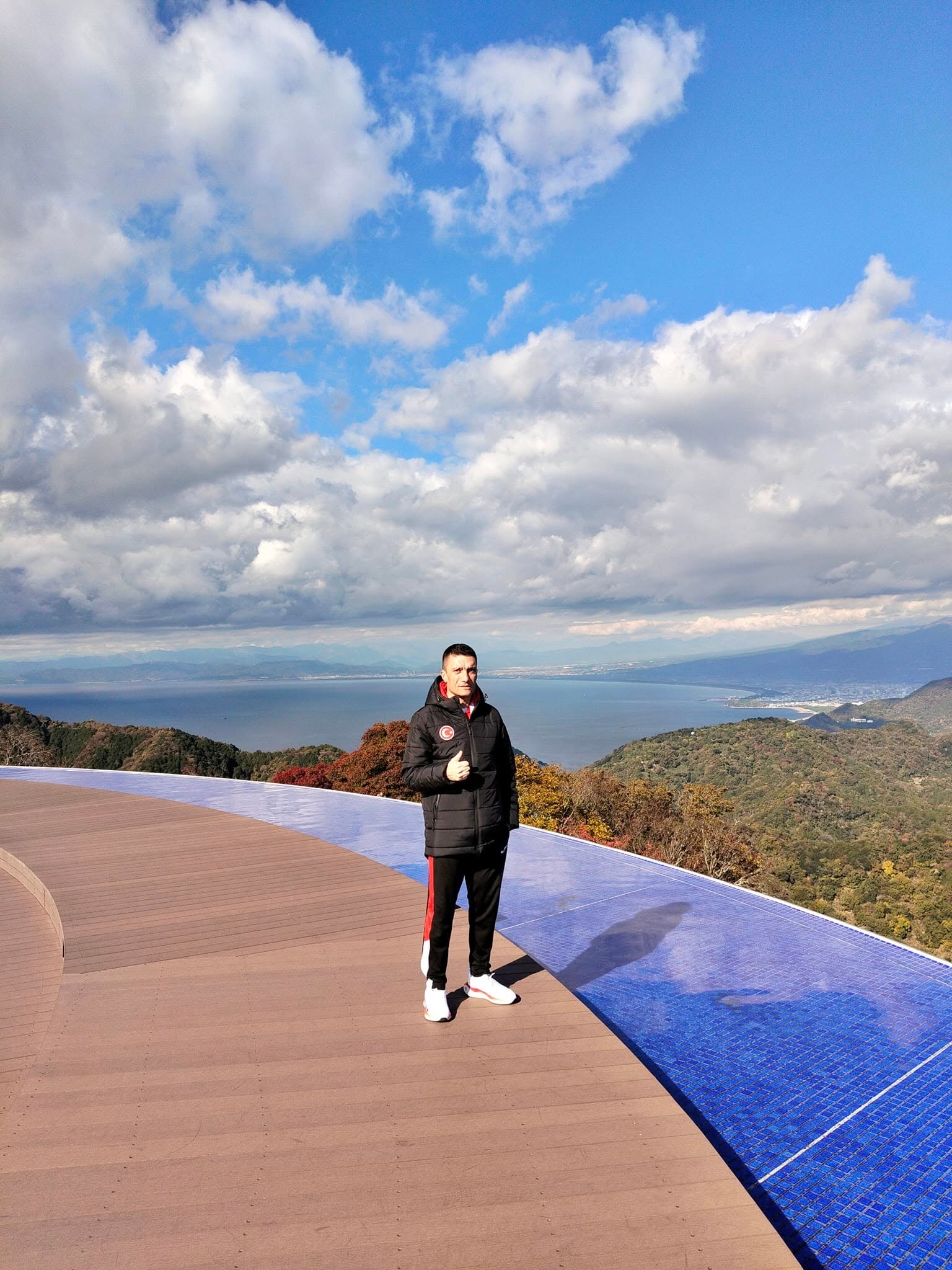
The first thing I noticed in Japan was how simple, calm and free from stress daily life felt. People used belongings, vehicles and homes that might be considered old, yet everything was spotless, well maintained and in working order. It was difficult to find even a broken light bulb.
Recycling was extremely important and waste was almost absent. Although rubbish bins were rarely seen in the streets, pavements and roadsides were exceptionally clean. Even the grass looked as carefully laid as a carpet.
Food culture and daily life
Food was a challenge during the first two days, as we needed to be careful about the possibility of pork. Their fish culture, however, was highly developed. They could prepare different dishes for breakfast, lunch and dinner from high-quality fish such as salmon, which we can rarely find so readily.
We stayed about 120 kilometres outside Tokyo, in a quiet place larger than a town but smaller than a district centre. Apart from a few nearby shops, there was little bustle, yet everything needed for daily life was easy to find.
Respect, road culture and punctuality
People were exceptionally respectful, courteous and punctual. They greeted one another with a bow and a sincere smile. Even the way they used indicators in traffic seemed to say, “I am turning; please notice me,” with quiet consideration.
When a child on the way to school needed to cross the road, all traffic stopped. Mothers bowed to thank the drivers. Their gestures carried a clear sense of sincerity and gratitude.
“Japan showed me how mutual respect, valuing effort and following shared rules can transform a society's quality of life.”
The culture shock it left with me
Whatever their work, people seemed to do it honestly and with care. They favoured domestic products and valued function over display. I was also struck by the way people did not spend every moment on their phones and maintained a connection with those around them.
I returned from Japan with more than memories of racing. I came home reflecting anew on dignity, respect, order and shared responsibility. The journey also showed me how much we should question and improve within our own society.